
Why do some healthcare professionals not suffer from burnout, even when working under extreme pressure?
Burnout, also known as the syndrome of chronic workplace stress, has become a serious problem in the healthcare sector. After the pandemic, many doctors, nurses, and other professionals have reached the limit of emotional and physical exhaustion. However, not everyone reacts the same way: some, despite experiencing the same level of stress, do not burn out. What makes them different?
A new study led by the Universitat Oberta de Catalunya (UOC) and the Galatea Foundation, with the support of the “la Caixa” Foundation, seeks to understand why some people are able to maintain resilience in such demanding contexts. The goal is to identify which factors protect them, so they can be applied as preventive strategies or to improve well-being in the healthcare field.
Keys to resisting burnout
According to Oriol Yuguero, head of the Emergency Department at Arnau de Vilanova Hospital and principal investigator of the project, “we want to know whether there are personality traits, habits, or social activities that help people cope better with pressure: do they perhaps have a more active social life, play sports, or take part in group activities such as singing in a choir?”
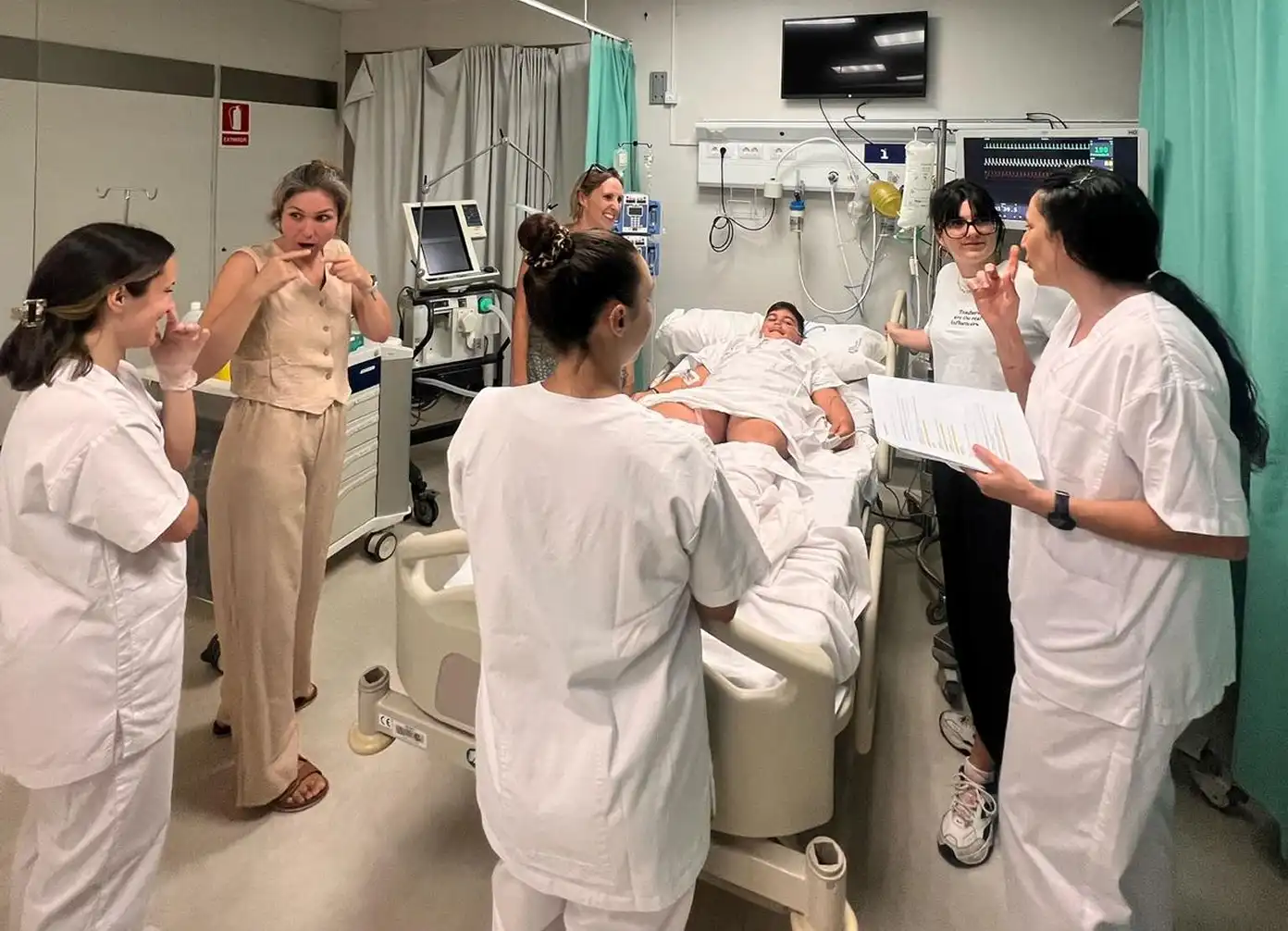
After an initial quantitative phase that made it possible to identify the physicians and nurses with the lowest levels of burnout among a total of 600 participants, the second phase, qualitative in nature, concluded at the end of December. In total, 117 professionals took part in this second phase, which focused on identifying how these professionals cope with stressful situations. Seven focus groups were conducted in Barcelona, two in Tarragona, one in Lleida, and one in Girona.
Keys to resisting burnout
According to Oriol Yuguero, head of the Emergency Department at Arnau de Vilanova Hospital and principal investigator of the project, “we want to know whether there are personality traits, habits, or social activities that help people cope better with pressure: do they perhaps have a more active social life, play sports, or take part in group activities such as singing in a choir?”
After an initial quantitative phase that made it possible to identify the physicians and nurses with the lowest levels of burnout among a total of 600 participants, the second phase, qualitative in nature, concluded at the end of December. In total, 117 professionals took part in this second phase, which focused on identifying how these professionals cope with stressful situations. Seven focus groups were conducted in Barcelona, two in Tarragona, one in Lleida, and one in Girona.
Immersive technology to measure resilience
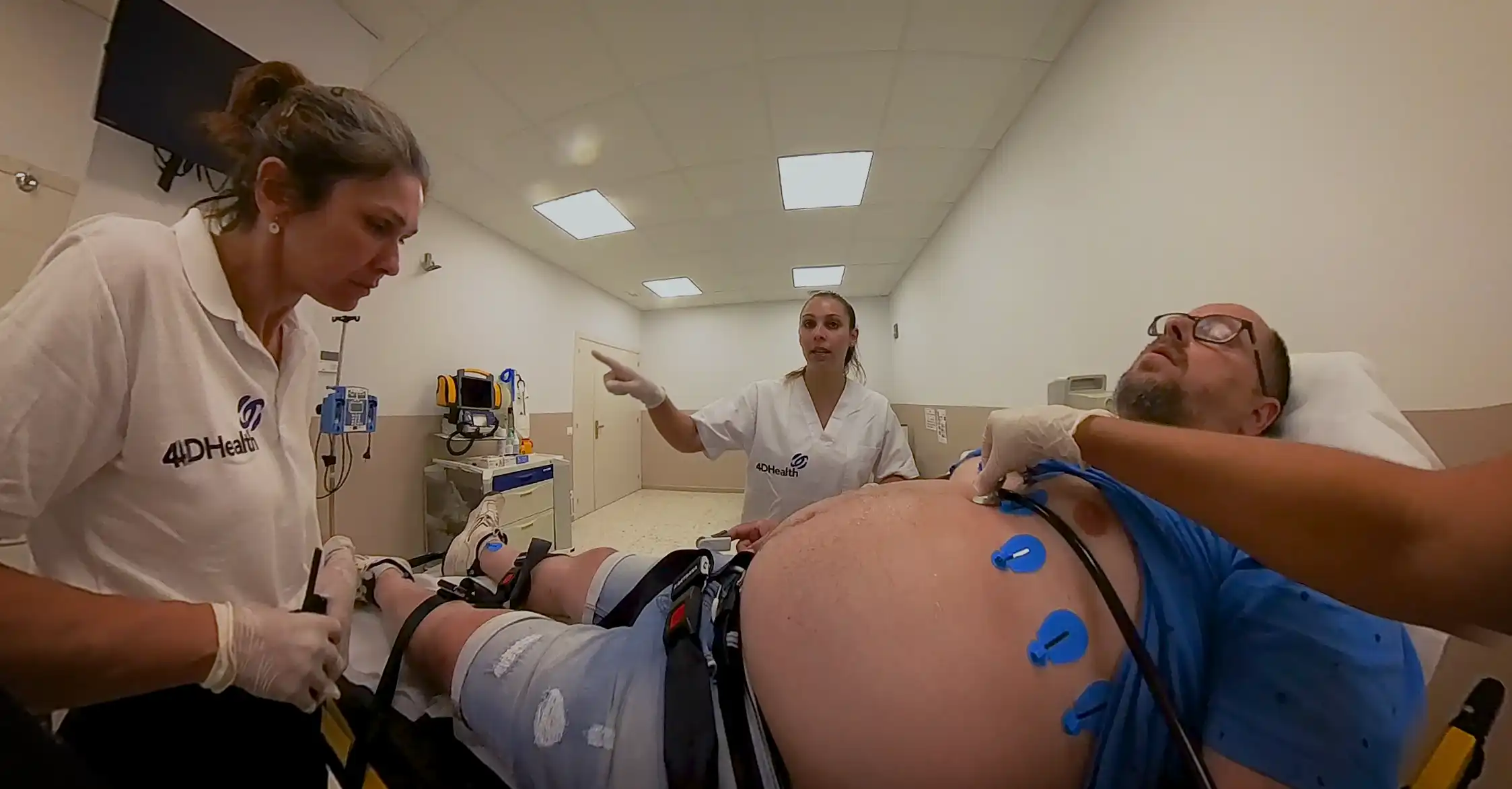
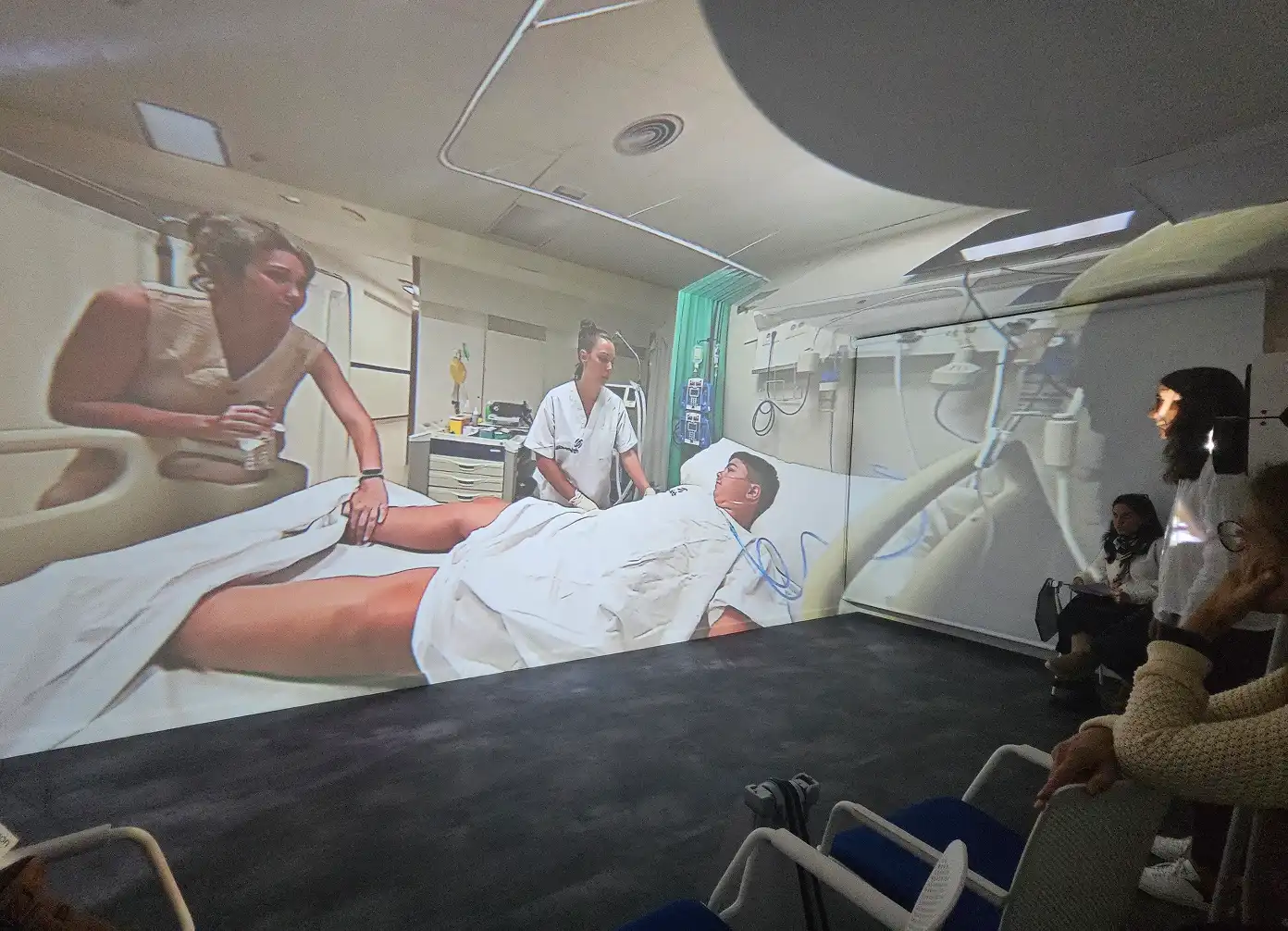
Immersive technology has played a very significant role in this second phase. Throughout 2025, we produced several 360º videos that recreate highly stressful situations linked to the professional practice of medical and nursing staff, in collaboration with the team of experts in 4D Health medical simulation. All participants in the project experienced an immersive virtual reality session in which they were confronted with a stressful situation similar to those they may encounter in their daily work.
Healthcare resilience: An ethical imperative
This is the first project in Spain specifically focused on the resilience of healthcare professionals, and it is expected to provide useful evidence for designing new health promotion and self-care initiatives that help improve the well-being of healthcare workers. The research team gives a very positive assessment of the study and expresses its gratitude to all participants for their involvement throughout the entire process, as well as to the professional associations that collaborated in successfully hosting the qualitative phase.

Healthcare resilience: An ethical imperative
This is the first project in Spain specifically focused on the resilience of healthcare professionals, and it is expected to provide useful evidence for designing new health promotion and self-care initiatives that help improve the well-being of healthcare workers. The research team gives a very positive assessment of the study and expresses its gratitude to all participants for their involvement throughout the entire process, as well as to the professional associations that collaborated in successfully hosting the qualitative phase.
As Toni Calvo, director of the Galatea Foundation, points out: “Taking care of oneself in order to continue caring for others is not an option; it is an ethical and deontological imperative.”